

Japanese Conversation · Level 98
60 words
Search Japanese words as written, in romaji or by English meaning.
Dictionaries
Quick links
Browse
 MotiSpiOfficial conversation app

Japanese word
Romajisōdō
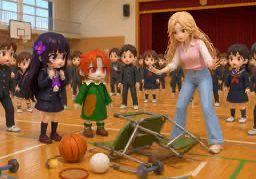
学校で大きな騒動が起きました。gak kō de ō ki na sō dō ga o ki ma shi ta
A big commotion broke out at school.
その発言は会議中に新たな騒動を招きました。so no hatsu gen wa kai gi chū ni ara ta na sō dō o mane ki ma shi ta
That remark caused a new commotion during the meeting.
Describes a situation in which disorder spreads among people and disrupts the normal flow of events.
騒動を起こすsō dō o o ko su
cause a commotion
騒動が起きるsō dō ga o ki ru
a commotion breaks out
騒動を収めるsō dō o osa me ru
quell a commotion
騒動の原因sō dō no gen in
cause of the commotion
騒ぎsawagi: A disorderly event that causes noise and attracts attention.
騒乱sōran: A large-scale breakdown of public order.
混乱konran: A lack of order that makes people or events difficult to control.
紛糾funkyū: A dispute that becomes tangled and hard to resolve.
多くの人を巻き込み、周囲の平穏を乱す大きな混乱やもめごと。ō ku no hito o ma ki ko mi shū i no hei on o mida su ō ki na kon ran ya mo me go to
The Sino-Japanese compound 騒動 (sōdō) combines 騒 (sō, "noise") and 動 (dō, "movement"), giving the sense of disturbance in motion.