

JLPT · Level 192
15 words
Search Japanese words as written, in romaji or by English meaning.
Dictionaries
Quick links
Browse
 MotiSpiOfficial conversation app

Japanese word
Romajikareru
夏には井戸が涸れます。natsu ni wa i do ga ka re ma su
In summer, the well dries up.
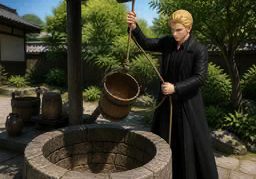
雨が長く降らないと、山の水源が涸れます。ame ga naga ku fu ra na i to yama no sui gen ga ka re ma su
If it does not rain for a long time, the mountain water source dries up.
It describes a liquid source or other supply becoming unable to provide any more.
水が涸れるmizu ga ka re ru
water dries up
井戸が涸れるi do ga ka re ru
a well dries up
水源が涸れるsui gen ga ka re ru
a water source dries up
川が涸れるkawa ga ka re ru
a river dries up
泉が涸れるizumi ga ka re ru
a spring dries up
干上がるhiagaru: A body of water or wet area becomes completely dry.
尽きるtsukiru: A supply is used up so that none remains.
枯れるkareru: A plant loses moisture and wilts or dies.
水や水分、資源などが減り続け、ついにはなくなる。mizu ya sui bun shi gen na do ga he ri tsuzu ke tsu i ni wa na ku na ru
涸れる (kareru) is a native Japanese verb related to the older verb 涸る (karu), which means that water or a supply dries up.