

Japanese Conversation · Level 40
90 words
Search Japanese words as written, in romaji or by English meaning.
Dictionaries
Quick links
Browse
 MotiSpiOfficial conversation app

Japanese word
Romajikareru
水をやらないと、花が枯れます。mizu o ya ra na i to hana ga ka re ma su
If you do not water them, the flowers wither.
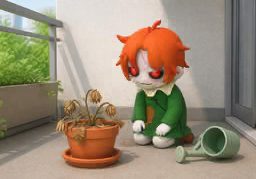
庭の木が暑さで枯れてしまいました。niwa no ki ga atsu sa de ka re te shi ma i ma shi ta
The tree in the yard withered from the heat.
Shows something gradually losing the moisture and vitality that keep it fresh and growing.
枯れた花ka re ta hana
withered flowers
枯れた木ka re ta ki
withered trees
枯れた葉ka re ta ha
withered leaves
萎れるshioreru: To lose firmness and freshness, especially in a plant or flower, while remaining capable of recovery.
萎むshibomu: To become smaller and less open as a flower or leaf loses moisture.
干上がるhiagaru: To become completely dry when a river, pond, or well loses all or nearly all of its water.
植物などが水分を失って、しおれたり生き生きした状態を失ったりすること。shoku butsu na do ga sui bun o ushina tte shi o re ta ri i ki i ki shi ta jō tai o ushina tta ri su ru ko to
枯れる (kareru) is a native Japanese verb historically related to 枯る (karu, "to wither"), an older form for losing life or moisture.