

Japanese Conversation · Level 8
90 words
Search Japanese words as written, in romaji or by English meaning.
Dictionaries
Quick links
Browse
 MotiSpiOfficial conversation app

Japanese word
Romajiwarui
今日は天気が悪いです。kyō wa ten ki ga waru i de su
The weather is bad today.
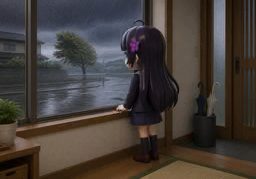
天気が悪いです。ten ki ga waru i de su
The weather is bad.
この習慣は体に悪いです。ko no shū kan wa karada ni waru i de su
This habit is bad for your health.
Describes something as falling short of what is wanted or expected, while also allowing the speaker to label their own action as blameworthy.
気分が悪いki bun ga waru i
feel sick
行儀が悪いgyō gi ga waru i
have bad manners
仲が悪いnaka ga waru i
be on bad terms
成績が悪いsei seki ga waru i
have poor grades
評判が悪いhyō ban ga waru i
have a bad reputation
いけないikenai: Shows that something is unacceptable, not allowed, or unsuitable.
ひどいhidoi: Describes a condition or action as extremely bad, harsh, or unpleasant.
まずいmazui: Describes food as unpleasant in taste or a situation as difficult or likely to cause trouble.
物事の状態や性質が好ましくなく、期待される水準に及ばないさま。人に迷惑をかけたことを詫びるさま。mono goto no jō tai ya sei shitsu ga kono ma shi ku na ku ki tai sa re ru sui jun ni oyo ba na i sa ma hito ni mei waku o ka ke ta ko to o wa bi ru sa ma
悪い (warui) is a native Japanese word, not a loanword, and developed from the older form わろし (waroshi), which described something as "bad" or "unpleasant".