

Japanese for Kids · Level 9
90 words
Search Japanese words as written, in romaji or by English meaning.
Dictionaries
Quick links
Browse
 MotiSpiOfficial conversation app

Japanese word
Romajiikenai
うそをつくのはいけないことです。u so o tsu ku no wa i ke na i ko to de su
Lying is wrong.
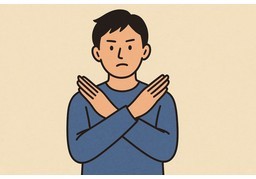
困っている友達を笑ってはいけないです。koma tte i ru tomo dachi o wara tte wa i ke na i de su
You must not laugh at a friend who is in trouble.
Marks something as not acceptable, whether because it is morally wrong, unsuitable, or outside an allowed standard.
してはいけないshi te wa i ke na i
must not do ___
なければいけないna ke re ba i ke na i
must ___
いけないことi ke na i ko to
something wrong
悪いwarui: Describes a person, action, or situation as bad, wrong, or harmful.
まずいmazui: Describes something as problematic, awkward, or likely to lead to trouble.
物事が正しくなく、受け入れたり許したりできないさま。mono goto ga tada shi ku na ku u ke i re ta ri yuru shi ta ri de ki na i sa ma
The form いけない (ikenai) combines 行く (iku, "go") with ない (nai, "not"), shifting from the idea of not being able to go to the idea of something being unacceptable.