

Japanese Conversation · Level 56
75 words
Search Japanese words as written, in romaji or by English meaning.
Dictionaries
Quick links
Browse
 MotiSpiOfficial conversation app

Japanese word
Romajiwarusa
弟の悪さに困っています。otōto no waru sa ni koma tte i ma su
I am having trouble with my younger brother's mischief.
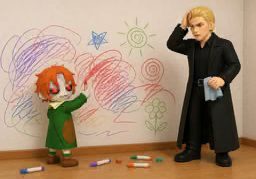
弟は悪さをした後で、すぐに先生に謝りました。otōto wa waru sa o shi ta ato de su gu ni sen sei ni ayama ri ma shi ta
After causing trouble, my younger brother apologized to his teacher right away.
Describes conduct that departs from expected behavior and causes harm, trouble, or disapproval.
悪さをするwaru sa o su ru
cause trouble
悪さをやめるwaru sa o ya me ru
stop causing trouble
悪さが過ぎるwaru sa ga su gi ru
take one's mischief too far
いたずらitazura: A small act of misbehavior that may amuse the actor while troubling someone else.
悪事akuji: An act of wrongdoing that is viewed as morally or socially unacceptable.
悪ふざけwarufuzake: Excessively playful conduct that annoys or upsets other people.
してはいけないことをすることや、そのような振る舞い。shi te wa i ke na i ko to o su ru ko to ya so no yō na fu ru ma i
悪さ (warusa) comes from the native adjective 悪い (warui, "bad") combined with the suffix さ (sa, "degree or state"), which turns the quality into a noun.