


English–Japanese
“mischief” in Japanese
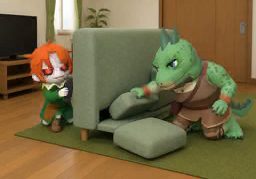
How to say “mischief” in Japanese
“Mischief” in Japanese is いたずら (itazura). いたずら can also mean “prank”.
Describes playful behavior that causes small trouble without serious intent.
Example sentences with いたずら
友だちにいたずらをしました。tomo da chi ni i ta zu ra o shi ma shi ta
I played a prank on my friend.
猫のいたずらで、鉢植えが倒れました。neko no i ta zu ra de hachi u e ga tao re ma shi ta
The potted plant fell over because of the cat's mischief.
Tips for using いたずら
- In everyday English, mischief is usually uncountable, while a single practical joke is a prank, a useful distinction when translating いたずら (itazura).
Other Japanese words for “mischief”
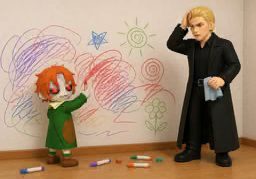
弟の悪さに困っています。otōto no waru sa ni koma tte i ma su
I am having trouble with my younger brother's mischief.