

Japanese Conversation · Level 33
90 words
Search Japanese words as written, in romaji or by English meaning.
Dictionaries
Quick links
Browse
 MotiSpiOfficial conversation app

Japanese word
Romajiitazura
弟はよくいたずらをします。otōto wa yo ku i ta zu ra o shi ma su
My younger brother often gets into mischief.
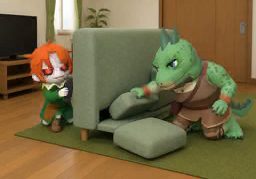
友だちにいたずらをしました。tomo da chi ni i ta zu ra o shi ma shi ta
I played a prank on my friend.
猫のいたずらで、鉢植えが倒れました。neko no i ta zu ra de hachi u e ga tao re ma shi ta
The potted plant fell over because of the cat's mischief.
Describes playful behavior that causes small trouble without serious intent.
いたずらをするi ta zu ra o su ru
get into mischief
いたずらを仕掛けるi ta zu ra o shi ka ke ru
play a prank
悪さwarusa: An act that causes trouble through disobedient or playful behavior.
悪ふざけwarufuzake: Joking behavior that goes too far and bothers or disrupts others.
悪意なく人を困らせるような、ふざけた行為。aku i na ku hito o koma ra se ru yō na fu za ke ta kō i
The native Japanese word いたずら (itazura) was associated with 徒ら (itazura, "idle" or "useless") in older writing, and its sense later shifted toward playful troublemaking.