


English–Japanese
“leave” in Japanese
How to say “leave” in Japanese
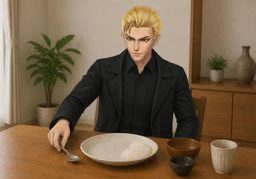
“Leave” in Japanese is 残す (nokosu).
Describes leaving something in place or keeping part of it unused rather than removing or consuming all of it.
Example sentences with 残す
お皿に野菜を残します。o sara ni ya sai o noko shi ma su
I leave vegetables on my plate.
お店では、食べ物を残さないようにしましょう。o mise de wa ta be mono o noko sa na i yō ni shi ma shō
At restaurants, let's avoid leaving food.
Tips for using 残す
- The verb 残す (nokosu) also means to leave a record or tradition for later generations, not only to leave an object behind.
Other Japanese words for “leave”
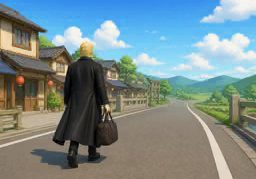
彼は町を去ります。kare wa machi o sa ri ma su
He leaves the town.

朝早く、京都を発ちます。asa haya ku kyō to o ta chi ma su
I will leave Kyoto early in the morning.

荷物をホテルに預けます。ni motsu o ho te ru ni azu ke ma su
I leave my luggage at the hotel.

男は何も言わずに立ち去ります。otoko wa nan mo i wa zu ni ta chi sa ri ma su
The man leaves without saying anything.