

Japanese Conversation · Level 32
90 words
Search Japanese words as written, in romaji or by English meaning.
Dictionaries
Quick links
Browse
 MotiSpiOfficial conversation app

Japanese word
Romajisaru
彼は町を去ります。kare wa machi o sa ri ma su
He leaves the town.
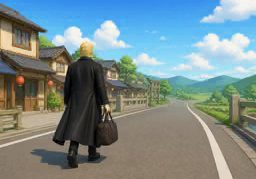
家族に別れを告げて、彼女は故郷を去りました。ka zoku ni waka re o tsu ge te kano jo wa ko kyō o sa ri ma shi ta
After saying goodbye to her family, she left her hometown.
It focuses on the point at which someone or something is no longer in a place because it has moved away.
国を去るkuni o sa ru
leave the country
故郷を去るko kyō o sa ru
leave one's hometown
その場を去るso no ba o sa ru
leave the place
町を去るmachi o sa ru
leave the town
出るderu: To go from inside a place to outside it, or to leave a place or event.
行くiku: To move from the current location toward another place.
離れるhanareru: To move away from a person, place, or group and stop being near it.
人や物が、ある場所を離れてそこにいなくなること。hito ya mono ga a ru ba sho o hana re te so ko ni i na ku na ru ko to
去る (saru, "to leave or go away") is a native Japanese verb inherited from Old Japanese saru, with its core meaning preserved over time.