

Spanish Conversation · Level 110
60 words
Search Spanish words by spelling or English meaning.
Dictionaries
Quick links
Browse
 MotiSpiOfficial conversation app

Spanish word
IPA/enoˈxaɾ/
No quiero enojar a mi madre.
I don't want to upset my mother.
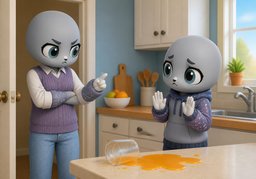
Su tono rudo puede enojar a la gente.
His harsh tone can upset people.
One person speaking sharply while another's face tightens in anger.
enojar a alguien
upset someone
hacer enojar a alguien
make someone upset
enfadar: Triggers a person's anger or displeasure through an upsetting remark or act.
ofender: Offends someone's dignity or feelings by words or deeds, causing anger.
irritar: Sparks minor irritation through small hassles that can escalate into anger.
molestar: Disturbs someone's comfort with nuisances or inconveniences, making them upset.
Hacer que alguien se enfade o se sienta molesto.
Enojar comes from the noun enojo 'anger' plus the verb-forming suffix -ar, so it means to make someone angry or upset.