

Chinese Conversation · Level 11
90 words
Search Chinese words by characters, pinyin or English meaning.
Dictionaries
Quick links
Browse
 MotiSpiOfficial conversation app

Chinese word
Pinyinbí liáng
他的鼻梁很高。tā de bí liáng hěn gāo
The bridge of his nose is very high.
他的鼻梁比较宽,戴眼镜很合适。tā de bí liáng bǐ jiào kuān dài yǎn jìng hěn hé shì
His nose bridge is fairly wide, so glasses fit him well.
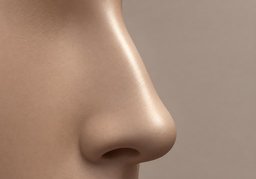
The raised central support that gives the nose its height and profile.
塌鼻梁tā bí liáng
low nose bridge
鼻梁宽bí liáng kuān
broad nose bridge
鼻梁挺直bí liáng tǐng zhí
straight nose bridge
鼻子bí zi: The facial organ used for breathing and smelling.
鼻尖bí jiān: The pointed end of the nose.
鼻孔bí kǒng: An opening in the nose through which air and smells pass.
鼻翼bí yì: The fleshy outer part on either side of the nose.
鼻子的中部从鼻根到鼻尖之间的骨性或软骨性高出部分,常用来描述鼻子的高度、线条和轮廓。bí zi de zhōng bù cóng bí gēn dào bí jiān zhī jiān de gǔ xìng huò ruán gǔ xìng gāo chū bù fèn cháng yòng lái miáo shù bí zi de gāo dù xiàn tiáo hé lún kuò
鼻 (bí, "nose") + 梁 (liáng, "beam") names the central ridge by comparing it with a beam that spans and supports a structure.