

Chinese Conversation · Level 9
90 words
Search Chinese words by characters, pinyin or English meaning.
Dictionaries
Quick links
Browse
 MotiSpiOfficial conversation app

Chinese word
Pinyinbí zi
她用纸巾擦了鼻子。tā yòng zhǐ jīn cā le bí zi
She wiped her nose with a tissue.
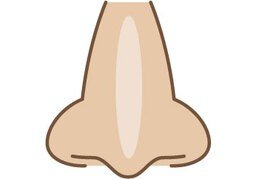
感冒的时候,鼻子常常会堵住。gǎn mào de shí hòu bí zi cháng cháng huì dǔ zhù
When you have a cold, your nose often gets blocked.
A central facial organ that detects smells and lets air pass into the body.
鼻子堵塞bí zi dǔ sè
stuffy nose
鼻子疼bí zi téng
sore nose
鼻bí: Central facial organ used for smelling and breathing, especially in formal language and compounds.
鼻孔bí kǒng: Small opening in the nose through which air enters and leaves.
嗅觉xiù jué: Sense or ability that detects smells.
鼻涕bí tì: Sticky fluid that comes out of the nose.
位于脸中央的器官,负责闻气味并协助呼吸,通常指外露的鼻部位。wèi yú liǎn zhōng yāng de qì guān fù zé wén qì wèi bìng xié zhù hū xī tōng cháng zhǐ wài lù de bí bù wèi
鼻子 (bízi, "nose") combines 鼻 (bí, "nose") with 子 (zi, "noun-forming suffix"), giving the everyday spoken form for the nose.