

Chinese Conversation · Level 79
91 words
Search Chinese words by characters, pinyin or English meaning.
Dictionaries
Quick links
Browse
 MotiSpiOfficial conversation app

Chinese word
Pinyinmá bì
他的手臂有点儿麻痹。tā de shǒu bì yóu diǎnr má bì
His arm is slightly paralyzed.
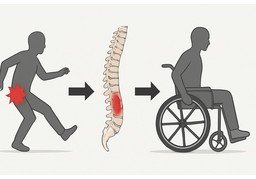
长期不活动会导致肌肉麻痹。cháng qī bù huó dòng huì dǎo zhì jī ròu má bì
Long-term inactivity can cause muscle paralysis.
A muted connection between stimulus and response makes touch, movement, or alertness fail to work normally.
四肢麻痹sì zhī má bì
paralysis of the limbs
感觉麻痹gǎn jué má bì
loss of sensation
暂时性麻痹zàn shí xìng má bì
temporary paralysis
麻木má mù: A numb feeling in the skin or limbs that weakens the sense of touch.
瘫痪tān huàn: A state in which muscles or nerves stop working, leaving part of the body unable to move.
无力wú lì: A lack of strength that makes physical movement or an action difficult.
感觉丧失gǎn jué sàng shī: Loss of the ability to feel touch, pain, or other physical sensations.
感觉或运动功能部分或全部丧失,表现为皮肤麻木、刺痛减弱或行动无力;也可指精神或反应的迟钝。gǎn jué huò yùn dòng gōng néng bù fèn huò quán bù sàng shī biǎo xiàn wèi pí fū má mù cì tòng jiǎn ruò huò xíng dòng wú lì yě kě zhǐ jīng shén huò fǎn yìng de chí dùn
麻 (má, "hemp or numbness") + 痹 (bì, "an obstructing illness") forms 麻痹 (mábì, "paralysis"), a traditional medical expression for blocked sensation or movement.