

Chinese Conversation · Level 37
90 words
Search Chinese words by characters, pinyin or English meaning.
Dictionaries
Quick links
Browse
 MotiSpiOfficial conversation app

Chinese word
Pinyinmá mù
我的手麻木了。wǒ de shǒu má mù le
My hand is numb.
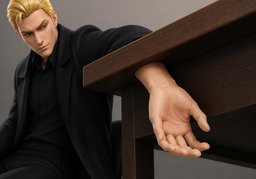
听到这个消息,他显得有些麻木。tīng dào zhè ge xiāo xī tā xiǎn de yǒu xiē má mù
After hearing the news, he seemed somewhat numb.
A body or mind loses its normal response, like a limb that barely feels touch or a person who no longer reacts with interest.
感到麻木gǎn dào má mù
feel numb
手脚麻木shóu jiǎo má mù
numb hands and feet
麻木不仁má mù bù rén
numb and indifferent
麻痹má bì: A body part has lost much of its feeling and moves poorly.
迟钝chí dùn: Sensing or reacting sluggishly, so normal responses take extra time.
麻木不仁má mù bù rén: So dulled in feeling that almost nothing can be sensed.
无知觉wú zhī jué: Unable to sense anything through touch, including pain and heat or cold.
身体某部位的感觉减弱或消失,常见于压迫、受凉或循环不良;也可作为比喻表示对事物无感觉或无兴趣。shēn tǐ mǒu bù wèi de gǎn jué jiǎn ruò huò xiāo shī cháng jiàn yú yā pò shòu liáng huò xún huán bù liáng yě kě zuò wéi bǐ yù biǎo shì duì shì wù wú gǎn jué huò wú xìng qù
麻木 (mámù, "numb") combines 麻 (má, "tingling or numb") with 木 (mù, "wood"), suggesting a body part that feels stiff and unresponsive like wood.