

HSK · Level 25
135 words
Search Chinese words by characters, pinyin or English meaning.
Dictionaries
Quick links
Browse
 MotiSpiOfficial conversation app

Chinese word
Pinyinhún
那个故事把我的魂都吓走了。nà ge gù shì bǎ wǒ de hún dōu xià zǒu le
That story scared the soul out of me.
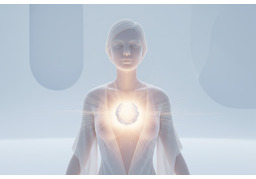
祭祀的时候,人们祈求祖先的魂保佑家人。jì sì de shí hòu rén men qí qiú zǔ xiān de hún bǎo yòu jiā rén
During the ceremony, people prayed for their ancestors' souls to protect their families.
An unseen inner force that gives a person identity, vitality, and the power to feel or act.
灵魂出窍líng hún chū qiào
soul leaving the body
灵魂深处líng hún shēn chù
the depths of one's soul
失魂落魄shī hún luò pò
utterly distraught
精神jīng shén: The overall activity and condition of the mind, including ideas, emotions, and determination.
心情xīn qíng: The emotional state or mood a person has at a particular moment.
灵魂líng hún: The immaterial part of a living being believed to contain its consciousness and personality.
心灵xīn líng: The inner side of a person, especially its sensitivity, gentleness, and spiritual qualities.
指人的精神状态、意志或精气神,泛指影响行为和情感的非物质力量,有时带有宗教或文学色彩。zhǐ rén de jīng shén zhuàng tài yì zhì huò jīng qì shén fàn zhǐ yíng xiǎng xíng wéi hé qíng gǎn de fēi wù zhì lì liàng yǒu shí dài yǒu zōng jiào huò wén xué sè cǎi
魂 (hún, "soul") uses 鬼 (guǐ, "spirit") as its meaning-bearing part and 云 (yún, "cloud") as its sound-bearing part, linking the word to a person's spiritual presence.