

Chinese Conversation · Level 29
90 words
Search Chinese words by characters, pinyin or English meaning.
Dictionaries
Quick links
Browse
 MotiSpiOfficial conversation app

Chinese word
Pinyinxīn qíng
我今天的心情很好。wǒ jīn tiān de xīn qíng hěn hǎo
I am in a very good mood today.
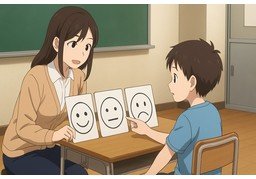
听到这个消息,他的心情马上变好了。tīng dào zhè ge xiāo xī tā de xīn qíng mǎ shàng biàn hǎo le
After hearing this news, his mood immediately improved.
A person's inner state at a particular moment, including feelings and the way the situation seems to that person.
心情很好xīn qíng hěn hǎo
in a good mood
心情不好xīn qíng bù hǎo
in a bad mood
心情很开心xīn qíng hěn kāi xīn
very happy
情绪qíng xù: Feelings that rise, fall, or change within a person, including joy, anger, and sadness.
心态xīn tài: A person's general mental attitude when facing a situation or matter.
情感qíng gǎn: A lasting inner feeling connected with love, sorrow, or other deep emotions.
心境xīn jìng: A person's mental and emotional condition at a particular time, often marked by calm or unrest.
指个体在某一时刻对事物的感受和态度,既包含情绪成分也包含对情况的主观看法。zhǐ gè tǐ zài mǒu yì shí kè duì shì wù de gǎn shòu hé tài dù jì bāo hán qíng xù chéng fèn yě bāo hán duì qíng kuàng de zhǔ guān kàn fǎ
心 (xīn, "heart") + 情 (qíng, "feeling") combine to name an inner state shaped by feelings and a person's view of what is happening.