

HSK · Level 112
45 words
Search Chinese words by characters, pinyin or English meaning.
Dictionaries
Quick links
Browse
 MotiSpiOfficial conversation app

Chinese word
Pinyinyě mán
他的行为很野蛮。tā de xíng wéi hěn yě mán
His behavior is barbaric.
市场上某些企业的野蛮生长损害了公平竞争。shì chǎng shàng mǒu xiē qǐ yè de yě mán shēng zhǎng sǔn hài le gōng píng jìng zhēng
The unchecked growth of some companies in the market harms fair competition.
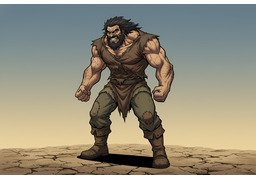
A person or method pushes past normal human restraint and treats others or things with rough, harmful force.
野蛮行为yě mán xíng wéi
barbaric behavior
野蛮生长yě mán shēng zhǎng
unchecked growth
采取野蛮手段cái qǔ yě mán shǒu duàn
use barbaric means
粗暴cū bào: Using rough physical force in an aggressive and harmful way.
残忍cán rěn: Willing to cause suffering with a cold lack of pity.
残暴cán bào: Using intense violence to inflict terrible harm.
蛮横mán hèng: Rudely using power or force to push aside others' opinions and rights.
指行为粗暴、带有伤害性或残忍,缺乏礼貌与同理心,常用于批评人的举止或做法。zhǐ xíng wéi cū bào dài yǒu shāng hài xìng huò cán rěn quē fá lǐ mào yǔ tóng lǐ xīn cháng yòng yú pī píng rén de jú zhǐ huò zuò fǎ
野 (yě, "wild") refers to what lies beyond settled society, while 蛮 (mán, "barbarian") came to describe roughness, making the compound a picture of uncivilized conduct.