

HSK · Level 15
135 words
Search Chinese words by characters, pinyin or English meaning.
Dictionaries
Quick links
Browse
 MotiSpiOfficial conversation app

Chinese word
Pinyincū bào
他性格很粗暴,经常打人。tā xìng gé hěn cū bào jīng cháng dǎ rén
He has a very violent personality and often hits people.
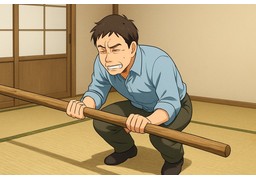
警方的执法被指责粗暴,引发抗议。jǐng fāng de zhí fǎ bèi zhǐ zé cū bào yǐn fā kàng yì
The police's law enforcement was criticized as violent, sparking protests.
Behavior that is rough and overpowering rather than careful, controlled, or considerate.
态度粗暴tài dù cū bào
rough attitude
粗暴行为cū bào xíng wéi
violent behavior
对人粗暴duì rén cū bào
be rough with people
粗鲁cū lǔ: Rude and lacking in manners, with speech or actions that easily offend.
残暴cán bào: Fiercely violent and cruel, committing brutal acts without pity.
横暴hèng bào: Overbearing and unfair, using authority or strength to control others.
粗野cū yě: Coarse and unrefined in speech or behavior, lacking polish and good manners.
性格或行为粗鲁、蛮横,常以言语或动作伤害别人,缺乏温和和礼貌。xìng gé huò xíng wéi cū lǔ mán hèng cháng yǐ yán yǔ huò dòng zuò shāng hài bié rén quē fá wēn hé hé lǐ mào
粗 (cū, "rough") + 暴 (bào, "fierce") combine roughness with force to describe conduct that lacks both polish and restraint.