

HSK · Level 65
90 words
Search Chinese words by characters, pinyin or English meaning.
Dictionaries
Quick links
Browse
 MotiSpiOfficial conversation app

Chinese word
Pinyinyí liú
遗留的照片还在桌子上。yí liú de zhào piān hái zài zhuō zi shàng
The photos left behind are still on the table.
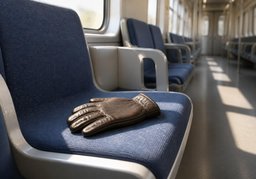
这起事故遗留的问题需要长期解决。zhè qǐ shì gù yí liú de wèn tí xū yào cháng qī jiě jué
The problems left by this accident need to be solved over the long term.
What was not removed or dealt with continues to be present, whether as an object, mark, or problem.
遗留问题yí liú wèn tí
legacy problems
遗留证据yí liú zhèng jù
evidence left behind
遗留物品yí liú wù pǐn
items left behind
留下liú xià: Leaves a person or thing in a place instead of taking it away.
剩下shèng xià: Remains after some of a thing has been used, taken, or divided.
保存bǎo cún: Keeps an object or information safe and in good condition for later use.
残留cán liú: Remains in a place after cleaning or removal, usually as a small amount or part.
未被带走或未被处理而留存下来,常指物品、问题或痕迹继续存在。wèi bèi dài zǒu huò wèi bèi chú lǐ ér liú cún xià lái cháng zhǐ wù pǐn wèn tí huò hén jì jì xù cún zài
遗 (yí, "leave behind") + 留 (liú, "remain") presents what is left behind as remaining in place, linking the word to things, traces, or unresolved matters that continue to exist.