

Chinese Conversation · Level 78
91 words
Search Chinese words by characters, pinyin or English meaning.
Dictionaries
Quick links
Browse
 MotiSpiOfficial conversation app

Chinese word
Pinyinmí huò
他的回答让我感到迷惑。tā de huí dá ràng wǒ gǎn dào mí huò
His answer confuses me.
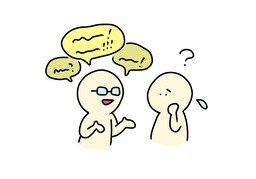
大家的解释并不一致,反而增加了我的迷惑。dà jiā de jiě shì bìng bù yí zhì fǎn ér zēng jiā le wǒ de mí huò
Everyone's explanations disagreed, which only increased my confusion.
An unsettled mind that cannot make sense of what is happening or why.
对这件事感到迷惑duì zhè jiàn shì gǎn dào mí huò
feel confused about this matter
对…产生迷惑duì chǎn shēng mí huò
become confused about ___
困惑kùn huò: Bewilderment that makes it hard to decide when facts or circumstances are unclear.
不解bù jiě: Perplexity from failing to understand something and feeling unable to accept it.
迷茫mí máng: Uncertainty and anxiety caused by not knowing which direction or next step to take.
表示因不明白情况或理由而感到困惑的不确定心理状态。常用于描述对人或事物感到迷茫与不解。biǎo shì yīn bù míng bái qíng kuàng huò lǐ yóu ér gǎn dào kùn huò de bú què dìng xīn lǐ zhuàng tài cháng yòng yú miáo shù duì rén huò shì wù gǎn dào mí máng yǔ bù jiě
The compound 迷 (mí, "lose one's way") + 惑 (huò, "be confused") presents confusion as losing a clear direction and being unable to judge a situation.