

HSK · Level 108
45 words
Search Chinese words by characters, pinyin or English meaning.
Dictionaries
Quick links
Browse
 MotiSpiOfficial conversation app

Chinese word
Pinyinmí huò bù jiě
学生们对新规则都迷惑不解。xué shēng men duì xīn guī zé dōu mí huò bù jiě
The students are all confused about the new rules.
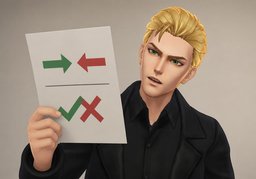
听了专家的解释,他还是有点迷惑不解。tīng le zhuān jiā de jiě shì tā hái shì yóu diǎn mí huò bù jiě
Even after hearing the expert's explanation, he was still a little confused.
An unsettled mind cannot make sense of what it encounters.
对这件事感到迷惑不解duì zhè jiàn shì gǎn dào mí huò bù jiě
be confused about this matter
对他的解释感到迷惑不解duì tā de jiě shì gǎn dào mí huò bù jiě
be confused by his explanation
莫名其妙mò míng qí miào: Not understanding how or why something came about.
一头雾水yì tóu wù shuǐ: Being completely confused about what is happening.
摸不着头脑mō bù zháo tóu nǎo: Being unable to work out what something means or how to think about it.
不知所措bù zhī suǒ cuò: Being unsure how to deal with a situation and unable to take action.
对某事感到不明白且心里困惑,难以找出合理解释。duì mǒu shì gǎn dào bù míng bái qiě xīn lǐ kùn huò nán yǐ zhǎo chū hé lǐ jiě shì
迷 (mí, "to lose one's way") + 惑 (huò, "to confuse") + 不 (bù, "not") + 解 (jiě, "untie or understand") builds a picture of a mind unable to find a clear explanation.