

Chinese Conversation · Level 75
90 words
Search Chinese words by characters, pinyin or English meaning.
Dictionaries
Quick links
Browse
 MotiSpiOfficial conversation app

Chinese word
Pinyinwéi zhāng
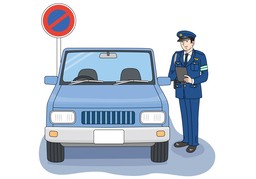
他在路边违章停车,被罚了。tā zài lù biān wéi zhāng tíng chē bèi fá le
He broke the rules by parking at the roadside and was fined.
公司未经审批违章施工,已被责令整改。gōng sī wèi jīng shěn pī wéi zhāng shī gōng yǐ bèi zé lìng zhéng gǎi
The company carried out unauthorized construction without approval and has been ordered to make corrections.
A failure to stay within a clearly marked system of rules, such as those governing roads, buildings, or workplace safety.
违章施工wéi zhāng shī gōng
carry out unauthorized construction
违章占道wéi zhāng zhàn dào
illegally occupy the road
违章停车wéi zhāng tíng chē
park illegally
违反wéi fǎn: Going against a law, rule, agreement, or promise.
违规wéi guī: Not following the rules set by an organization or formal system.
违法wéi fǎ: Not following a law in a way that can lead to official penalties.
违纪wéi jì: Breaking workplace or group rules in a way that may lead to discipline.
做出违反章程、规章或明确规定的行为,常见于交通、建筑、生产安全等领域,侧重于对既定规则的违背。zuò chū wéi fǎn zhāng chéng guī zhāng huò míng què guī dìng de xíng wéi cháng jiàn yú jiāo tōng jiàn zhù shēng chǎn ān quán děng lǐng yù cè zhòng yú duì jì dìng guī zé de wéi bèi
违章 (wéizhāng, "rule violation") is formed from 违 (wéi, "go against") and 章 (zhāng, "regulation"), linking the word to conduct that departs from an official rule.