

Chinese Conversation · Level 81
91 words
Search Chinese words by characters, pinyin or English meaning.
Dictionaries
Quick links
Browse
 MotiSpiOfficial conversation app

Chinese word
Pinyinwéi fǎn
你不能违反交通规则。nǐ bù néng wéi fǎn jiāo tōng guī zé
You must not break traffic rules.
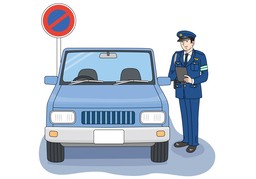
他因为违反公司规定被警告。tā yīn wèi wéi fǎn gōng sī guī dìng bèi jǐng gào
He was warned for breaking company regulations.
A required line is crossed, putting an action at odds with the rule that should guide it.
违反合同wéi fǎn hé tóng
violate a contract
违反承诺wéi fǎn chéng nuò
break a promise
违反交通规则wéi fǎn jiāo tōng guī zé
break traffic rules
违规wéi guī: Failing to follow rules set by an organization or system.
违背wéi bèi: Going against a promise, policy, expectation, or other stated position.
触犯chù fàn: Breaking a law or rule and facing punishment or responsibility.
犯规fàn guī: Breaking a rule in a sport or game.
行为与法律、规定、纪律等相抵触,不按要求或规定行事。xíng wéi yǔ fǎ lǜ guī dìng jì lǜ děng xiāng dǐ chù bú àn yāo qiú huò guī dìng xíng shì
The compound 违 (wéi, "go against") + 反 (fǎn, "oppose") presents noncompliance as turning away from an established standard.