

HSK · Level 16
135 words
Search Chinese words by characters, pinyin or English meaning.
Dictionaries
Quick links
Browse
 MotiSpiOfficial conversation app

Chinese word
Pinyinmí
她脸上的表情让人觉得是个谜。tā liǎn shàng de biǎo qíng ràng rén jué de shì gè mí
The look on her face makes it seem like a mystery.
她的过去对很多人来说仍然是个谜。tā de guò qù duì hěn duō rén lái shuō réng rán shì gè mí
Her past is still a mystery to many people.
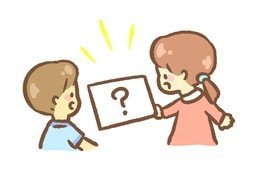
Something that keeps its answer out of sight, whether it is a puzzle to solve or a question that remains unexplained.
谜底mí dǐ
answer to the mystery
是个谜shì gè mí
be a mystery
解开谜底jiě kāi mí dǐ
solve the mystery
秘密mì mì: Information kept hidden so that other people do not know it.
谜语mí yǔ: A playful question that asks people to guess an answer from its words.
谜团mí tuán: A group of connected problems or events waiting to be explained.
表示难以理解或需要揭示真相的事物,既可指供人猜测的谜语,也可指使人困惑的问题。biǎo shì nán yǐ lí jiě huò xū yào jiē shì zhēn xiàng de shì wù jì kě zhǐ gòng rén cāi cè de mí yǔ yě kě zhí shǐ rén kùn huò de wèn tí
The character 谜 (mí, "mystery") combines 言 (yán, "speech") + 迷 (mí, "lost"); the first component points to language, and the second is mainly a phonetic guide rather than a separate meaning.