

HSK · Level 25
135 words
Search Chinese words by characters, pinyin or English meaning.
Dictionaries
Quick links
Browse
 MotiSpiOfficial conversation app

Chinese word
Pinyinmí yǔ
老师给我们出了一道很难的谜语。lǎo shī gěi wǒ men chū le yí dào hěn nán de mí yǔ
The teacher gave us a very difficult riddle.
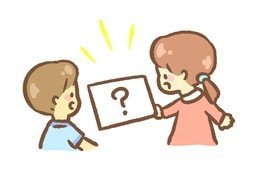
孩子们在公园里互相讲谜语,很热闹。hái zi men zài gōng yuán lǐ hù xiāng jiǎng mí yǔ hěn rè nào
The children told each other riddles in the park, and it was very lively.
A word puzzle that hides its answer behind clues, wordplay, or a surprising connection.
出谜语chū mí yǔ
pose a riddle
猜谜语cāi mí yǔ
guess a riddle
编谜语biān mí yǔ
make up a riddle
谜mí: A brief question that gives clues and invites someone to guess the answer.
谜题mí tí: A problem or puzzle that challenges someone to find an answer.
谜底mí dǐ: The right answer to a puzzle or guessing question.
用一句或几句含有提示或文字机关的问题,引导人通过联想、拆字、谐音等方法猜出答案的语言谜题。yòng yí jù huò jǐ jù hán yǒu tí shì huò wén zì jī guān de wèn tí yín dǎo rén tōng guò lián xiǎng chāi zì xié yīn děng fāng fǎ cāi chū dá àn de yǔ yán mí tí
谜语 (míyǔ, "riddle") combines 谜 (mí, "mystery") with 语 (yǔ, "language"), presenting a mystery through words.