

HSK · Level 84
45 words
Search Chinese words by characters, pinyin or English meaning.
Dictionaries
Quick links
Browse
 MotiSpiOfficial conversation app

Chinese word
Pinyintiáo kǎn
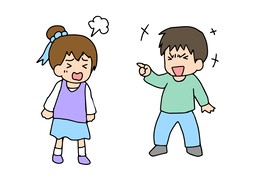
别总是调侃他,他会生气。bié zǒng shì tiáo kǎn tā tā huì shēng qì
Don't always tease him; he'll get angry.
在朋友之间,大家常常相互调侃,气氛很轻松。zài péng yǒu zhī jiān dà jiā cháng cháng xiāng hù tiáo kǎn qì fēn hěn qīng sōng
Among friends, everyone often teases one another, and the atmosphere is relaxed.
A speaker turns someone's words or behavior into a target for light, witty teasing that may hide a sharper edge.
相互调侃xiāng hù tiáo kǎn
tease one another
被人调侃bèi rén tiáo kǎn
be made fun of
善意地调侃shàn yì dì tiáo kǎn
tease in a friendly way
逗dòu: Using words or actions to tease someone and bring them amusement.
戏弄xì nòng: Playing with someone by teasing them, sometimes in a deliberately hurtful way.
嘲笑cháo xiào: Mocking someone by laughing at a failure or personal flaw.
讥讽jī fěng: Expressing criticism through indirect, sarcastic, and cutting remarks.
用轻松或戏谑的语气拿别人的言行开玩笑,往往带有试探或嘲讽的意味。yòng qīng sōng huò xì xuè de yǔ qì ná bié rén de yán xíng kāi wán xiào wáng wǎng dài yǒu shì tàn huò cháo fěng de yì wèi
调侃 (tiáokǎn, "tease") is a fixed colloquial compound whose meaning developed as a whole around verbal teasing, rather than serving as a dependable literal sum of its characters.