

HSK · Level 64
105 words
Search Chinese words by characters, pinyin or English meaning.
Dictionaries
Quick links
Browse
 MotiSpiOfficial conversation app

Chinese word
Pinyincháo xiào
不要嘲笑别人。bú yào cháo xiào bié rén
Don't laugh at other people.
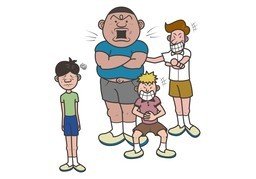
老师不应该当众嘲笑学生。lǎo shī bù yīng gāi dāng zhòng cháo xiào xué shēng
Teachers should not laugh at students in public.
A display of laughter used to make another person seem foolish or inferior.
嘲笑别人cháo xiào bié rén
laugh at others
当众嘲笑dāng zhòng cháo xiào
laugh at someone in public
当面嘲笑dāng miàn cháo xiào
laugh at someone to their face
嘲讽cháo fěng: Make fun of someone through sarcastic words or behavior.
讥笑jī xiào: Mock someone with open scorn and a belittling laugh.
取笑qǔ xiào: Make fun of someone for a mistake or shortcoming.
戏弄xì nòng: Tease someone as a joke while making them feel bothered or confused.
用言语或表情表示对他人的轻视和嘲弄,通过笑来贬低对方。yòng yán yǔ huò biǎo qíng biǎo shì duì tā rén de qīng shì hé cháo nòng tōng guò xiào lái biǎn dī duì fāng
The compound 嘲 (cháo, "scorn") + 笑 (xiào, "laugh") makes its meaning transparent: laughter becomes a way to express scorn.