

Chinese Conversation · Level 75
90 words
Search Chinese words by characters, pinyin or English meaning.
Dictionaries
Quick links
Browse
 MotiSpiOfficial conversation app

Chinese word
Pinyinfěng cì
他的回答里带着明显的讽刺。tā de huí dá lǐ dài zhe míng xiǎn de fěng cì
His answer contained obvious sarcasm.
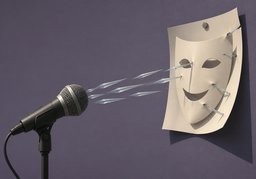
他的文章充满了讽刺色彩。tā de wén zhāng chōng mǎn le fěng cì sè cǎi
His article is full of sarcastic overtones.
A pointed way of exposing what is foolish or wrong through ridicule, indirect attack, or a sharp contrast between words and intent.
讽刺手法fěng cì shóu fǎ
satirical technique
讽刺文学fěng cì wén xué
satirical literature
充满讽刺色彩chōng mǎn fěng cì sè cǎi
full of sarcastic overtones
讥讽jī fěng: Indirect mockery spoken with a cold tone to belittle and criticize someone.
嘲讽cháo fěng: Scornful mockery that attacks someone through a ridiculing voice or attitude.
嘲笑cháo xiào: Laughter used openly to mock someone and show that they are not respected.
挖苦wā kǔ: A pointed, unpleasant remark that mocks someone in a way intended to hurt.
用带有讥讽、挖苦或反话的语言表达对人或事的不满或批评yòng dài yǒu jī fěng wā kǔ huò fǎn huà de yǔ yán biǎo dá duì rén huò shì de bù mǎn huò pī píng
讽 (fěng, "to satirize") + 刺 (cì, "to prick") combine ridicule with the image of a sting, giving the compound its sense of pointed criticism.