

HSK · Level 111
45 words
Search Chinese words by characters, pinyin or English meaning.
Dictionaries
Quick links
Browse
 MotiSpiOfficial conversation app

Chinese word
Pinyinjiě tuō
终于解脱了,他松了口气。zhōng yú jiě tuō le tā sōng le kǒu qì
He was finally free, and he breathed a sigh of relief.
很多人希望能从压力中解脱。hěn duō rén xī wàng néng cóng yā lì zhōng jiě tuō
Many people hope to be free from pressure.
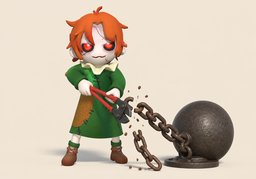
A person slips out of a tight hold, whether the hold comes from trouble, pain, or an unwanted duty.
从痛苦中解脱cóng tòng kǔ zhōng jiě tuō
escape from suffering
终于解脱zhōng yú jiě tuō
at last be free
难以解脱nán yǐ jiě tuō
be difficult to escape
摆脱bǎi tuō: Getting out of trouble, an unfavorable situation, or something that limits freedom.
脱离tuō lí: Moving away from a state or relationship and entering another one.
放下fàng xià: Releasing an emotional attachment or troubling thought and regaining peace of mind.
摆脱束缚,从烦恼、责任、痛苦或不愉快的处境中获得自由或轻松的状态或动作。bǎi tuō shù fù cóng fán nǎo zé rèn tòng kǔ huò bù yú kuài de chǔ jìng zhōng huò dé zì yóu huò qīng sōng de zhuàng tài huò dòng zuò
解 (jiě, "untie") + 脱 (tuō, "escape") form a compound for undoing what binds a person and then moving beyond it.