

HSK · Level 51
105 words
Search Chinese words by characters, pinyin or English meaning.
Dictionaries
Quick links
Browse
 MotiSpiOfficial conversation app

Chinese word
Pinyintuō lí
请不要脱离现实。qǐng bú yào tuō lí xiàn shí
Please don't lose touch with reality.
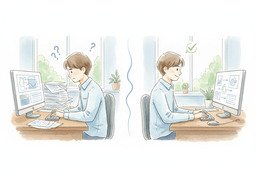
经过努力,他们终于脱离困境。jīng guò nǔ lì tā men zhōng yú tuō lí kùn jìng
After much effort, they finally escaped their predicament.
Move out of an existing connection, setting, or influence until direct contact or control no longer holds.
脱离困境tuō lí kùn jìng
escape a difficult situation
脱离控制tuō lí kòng zhì
break free from control
脱离依赖tuō lí yī lài
break free from dependence
离开lí kāi: Leaving a place or person and going away from them.
远离yuǎn lí: Keeping a physical or emotional distance from someone or something.
摆脱bǎi tuō: Getting free from an unwanted condition, burden, or restriction.
逃离táo lí: Getting away from a dangerous or difficult situation.
指从原有的联系、环境或束缚中分开,表示不再与某事物保持直接关系,也可指摆脱某种状态或影响。zhǐ cóng yuán yǒu de lián xì huán jìng huò shù fù zhōng fēn kāi biǎo shì bú zài yǔ mǒu shì wù bǎo chí zhí jiē guān xì yě kě zhǐ bǎi tuō móu zhǒng zhuàng tài huò yíng xiǎng
脱离 (tuōlí, "leave") combines 脱 (tuō, "cast off or escape") with 离 (lí, "separate"), linking release from a hold with separation from a connection or setting.