

HSK · Level 34
135 words
Search Chinese words by characters, pinyin or English meaning.
Dictionaries
Quick links
Browse
 MotiSpiOfficial conversation app

Chinese word
Pinyinguǒ
妈妈把宝宝裹在毯子里。mā mā bǎ báo bǎo guǒ zài tǎn zi lǐ
Mom wrapped the baby in a blanket.
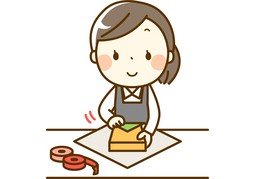
快递员把包裹用胶带和纸箱裹好。kuài dì yuán bǎ bāo guǒ yòng jiāo dài hé zhǐ xiāng guó hǎo
The courier securely wrapped the package with tape and a cardboard box.
Cloth drawn around a person or object forms a protective layer that also holds it together.
裹好guó hǎo
wrap securely
用塑料膜裹货物yòng sù liào mó guǒ huò wù
wrap goods in plastic film
把食物裹在叶子里bǎ shí wù guǒ zài yè zi lǐ
wrap food in leaves
包bāo: Cover and enclose an object in paper or cloth.
包裹bāo guǒ: Wrap an item into a parcel for shipping or storage.
缠chán: Wind long cloth or string around something in repeated turns to cover it.
捆kǔn: Bind objects together into a bundle with rope or string.
把人或东西用布料或衣物包住或缠绕,使其固定、遮蔽或保暖。bǎ rén huò dōng xī yòng bù liào huò yī wù bāo zhù huò chán rào shǐ qí gù dìng zhē bì huò báo nuǎn
In 裹 (guǒ, "wrap"), 衣 (yī, "clothing") indicates the covering idea, while 果 (guǒ, "fruit") supplies the pronunciation, reflecting the word's connection with enclosing things in cloth.