

Chinese Conversation · Level 13
90 words
Search Chinese words by characters, pinyin or English meaning.
Dictionaries
Quick links
Browse
 MotiSpiOfficial conversation app

Chinese word
Pinyinkǔn
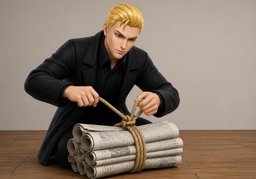
他把报纸捆在一起。tā bǎ bào zhǐ kǔn zài yì qǐ
He tied the newspapers together.
农民把收割的稻草捆成束放在田边。nóng mín bǎ shōu gē de dào cǎo kǔn chéng shù fàng zài tián biān
The farmer bundled the harvested straw into bundles and put them by the field.
Turn scattered pieces into a single secured bundle by wrapping or fastening them together.
把...捆成束bǎ kǔn chéng shù
bundle ___ into bundles
用绳子把...捆住yòng shéng zi bǎ kǔn zhù
tie ___ with a rope
把...捆牢bǎ kǔn láo
tie ___ securely
绑bǎng: Tie something with string or rope to keep it from coming apart.
扎zhā: Tie something tightly with cord or rope to hold it securely and keep it from moving.
把零散的物品用绳索、带子等捆绑在一起,使其成为便于搬运或存放的束。bǎ líng sàn de wù pǐn yòng shéng suǒ dài zi děng kún bǎng zài yì qǐ shǐ qí chéng wéi biàn yú bān yùn huò cún fàng de shù
捆 (kǔn, "to tie into a bundle") is the modern form of an older character written with the thread radical, linking the word to the use of cord or thread to gather things.