

Chinese Conversation · Level 10
90 words
Search Chinese words by characters, pinyin or English meaning.
Dictionaries
Quick links
Browse
 MotiSpiOfficial conversation app

Chinese word
Pinyinbiǎo dì
我的表弟昨天帮我搬家。wǒ de biǎo dì zuó tiān bāng wǒ bān jiā
My younger male cousin helped me move yesterday.
周末我和表弟去公园玩。zhōu mò wǒ hé biǎo dì qù gōng yuán wán
On the weekend, my younger male cousin and I went to the park to have fun.
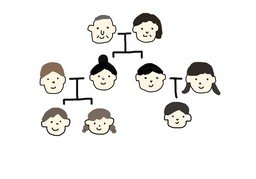
A younger male cousin connected through the maternal or different-surname branch of the family.
我的表弟wǒ de biǎo dì
my younger male cousin
表弟上小学biǎo dì shàng xiǎo xué
younger male cousin goes to elementary school
表弟喜欢踢足球biǎo dì xǐ huān tī zú qiú
younger male cousin likes to play soccer
堂弟táng dì: A younger male cousin on the father's side who has the same surname.
表哥biǎo gē: An older male cousin on the mother's side or a family branch with a different surname.
堂哥táng gē: An older male cousin on the father's side who has the same surname.
比自己年纪小的男性亲属,通常指与自己不同姓或来自母方的男性表亲。bǐ zì jǐ nián jì xiǎo de nán xìng qīn shǔ tōng cháng zhǐ yǔ zì jǐ bù tóng xìng huò lái zì mǔ fāng de nán xìng biǎo qīn
表弟 (biǎodì, "younger male cousin") combines 表 (biǎo, "maternal or different-surname side") with 弟 (dì, "younger brother"), making the family branch, age, and gender explicit.