

Chinese Conversation · Level 13
90 words
Search Chinese words by characters, pinyin or English meaning.
Dictionaries
Quick links
Browse
 MotiSpiOfficial conversation app

Chinese word
Pinyintáng dì
我的堂弟比我小两岁。wǒ de táng dì bǐ wǒ xiǎo liǎng suì
My younger male cousin is two years younger than me.
周末我和堂弟一起去公园。zhōu mò wǒ hé táng dì yì qǐ qù gōng yuán
On the weekend, my younger male cousin and I went to the park together.
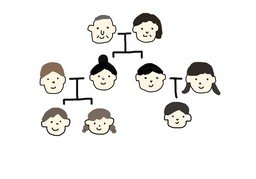
A shared paternal branch of the family tree, with the speaker's male cousin placed on the younger rung.
我的堂弟wǒ de táng dì
my younger male cousin
和堂弟一起hé táng dì yì qǐ
together with a younger male cousin
表弟biǎo dì: A male cousin from the mother's side or a different family line who is younger than the speaker.
堂哥táng gē: A male cousin on the father's side who is older than the speaker.
表哥biǎo gē: A male cousin from the mother's side or a different family line who is older than the speaker.
指父亲兄弟的儿子中,年龄比说话人小的男性亲属。zhǐ fù qīn xiōng dì de ér zi zhōng nián líng bǐ shuō huà rén xiǎo de nán xìng qīn shǔ
堂弟 (tángdì, "younger male cousin") combines 堂 (táng, "paternal family line") with 弟 (dì, "younger brother or male relative"), marking a younger male cousin on the father's side.