

HSK · Level 104
45 words
Search Chinese words by characters, pinyin or English meaning.
Dictionaries
Quick links
Browse
 MotiSpiOfficial conversation app

Chinese word
Pinyinhuāng
这片土地已经荒了。zhè piàn tǔ dì yǐ jīng huāng le
This land has already become barren.
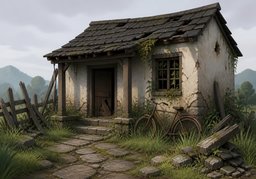
停产后,周边的厂房很快就荒废了。tíng chǎn hòu zhōu biān de chǎng fáng hěn kuài jiù huāng fèi le
After production stopped, the surrounding factory buildings quickly fell into disuse.
Human neglect turns a functioning piece of land or a building into an empty, overgrown, or broken remnant.
土地荒废tǔ dì huāng fèi
become barren
厂房荒废chǎng fáng huāng fèi
fall into disuse
荒废huāng fèi: Falls into disrepair after being left without care or use for a long time.
荒芜huāng wú: Grows thick with plants until the land becomes wild and its former appearance disappears.
废弃fèi qì: Is given up and left behind so that it is no longer used.
抛荒pāo huāng: Has its farming or care stopped, leaving the land to become wild and neglected.
变得无人管理或受损,失去原有使用价值,常指土地、房屋等变得破败或荒废。biàn de wú rén guán lǐ huò shòu sǔn shī qù yuán yǒu shǐ yòng jià zhí cháng zhǐ tǔ dì fáng wū děng biàn de pò bài huò huāng fèi
荒 (huāng, "become barren") originally referred to wild or uncultivated land, and its verb use presents neglect as a place turning into that state.