

HSK · Level 114
45 words
Search Chinese words by characters, pinyin or English meaning.
Dictionaries
Quick links
Browse
 MotiSpiOfficial conversation app

Chinese word
Pinyinzhì
他的错误致使公司损失严重。tā de cuò wù zhì shǐ gōng sī sǔn shī yán zhòng
His error caused the company to suffer serious losses.
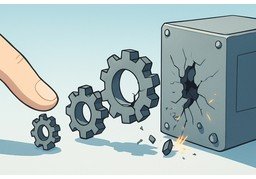
这次事故的失误致使生产线停工。zhè cì shì gù de shī wù zhì shǐ shēng chǎn xiàn tíng gōng
The mistake in this accident caused the production line to stop.
Direct something toward a destination, result, person, or goal.
致使zhì shǐ
cause
致力于zhì lì yú
strive for
致辞zhì cí
give a speech
致谢zhì xiè
express thanks
导致dǎo zhì: Cause a specific result or change through the action of a cause or factor.
致使zhì shǐ: Cause another situation to occur as a result of a cause or circumstance.
造成zào chéng: Bring about a result or effect through the action of a person or situation.
引起yín qǐ: Bring about attention, a response, or a problem through an event or factor.
使发生或引起某种结果,使情况达到某一状态shǐ fā shēng huò yín qǐ móu zhǒng jié guǒ shǐ qíng kuàng dá dào mǒu yí zhuàng tài
The character 致 (zhì, "cause/send") combines 至 (zhì, "arrive") with 攵 (pū, "action"), giving the basic image of making something reach an endpoint and extending to results, recipients, and goals.