

Chinese Conversation · Level 65
90 words
Search Chinese words by characters, pinyin or English meaning.
Dictionaries
Quick links
Browse
 MotiSpiOfficial conversation app

Chinese word
Pinyinzào chéng
这次失误造成了很大的损失。zhè cì shī wù zào chéng le hěn dà de sǔn shī
This mistake caused a great loss.
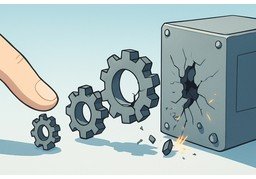
不及时修复,可能会造成更大的问题。bù jí shí xiū fù kě néng huì zào chéng gèng dà de wèn tí
If it is not repaired in time, it may cause bigger problems.
An action or situation sets a result into existence, with the direct link between them made clear.
造成影响zào chéng yíng xiǎng
cause an impact
造成损失zào chéng sǔn shī
cause losses
造成问题zào chéng wèn tí
cause problems
引起yín qǐ: Cause attention, interest, concern, or another response to arise.
导致dǎo zhì: Lead through a chain of events to an often unwanted result.
带来dài lái: Bring about a change or effect as a result of an action or situation.
引起某种后果或影响,强调行为或情况对结果的直接作用与后果的出现。yín qǐ móu zhǒng hòu guǒ huò yíng xiǎng qiáng diào xíng wéi huò qíng kuàng duì jié guǒ de zhí jiē zuò yòng yǔ hòu guǒ de chū xiàn
造 (zào, "make") + 成 (chéng, "become complete") forms the image of making something come about, which develops into producing a result.