

Chinese Conversation · Level 62
90 words
Search Chinese words by characters, pinyin or English meaning.
Dictionaries
Quick links
Browse
 MotiSpiOfficial conversation app

Chinese word
Pinyinmiǎn tiǎn
她有点腼腆,不太敢跟陌生人说话。tā yóu diǎn mián tiǎn bú tài gǎn gēn mò shēng rén shuō huà
She is a bit shy and doesn't really dare to talk to strangers.
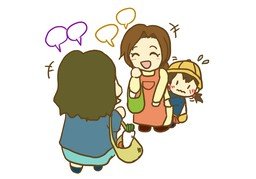
他在聚会里显得腼腆,很少和别人聊天。tā zài jù huì lǐ xiǎn de mián tiǎn hén shǎo hé bié rén liáo tiān
At the party, he seems shy and rarely chats with others.
A person who keeps a low profile around others, speaking little and avoiding direct attention.
有点腼腆yóu diǎn mián tiǎn
a bit shy
很腼腆hěn mián tiǎn
very shy
显得腼腆xiǎn de mián tiǎn
seems shy
害羞hài xiū: Feeling embarrassed enough to blush or avoid eye contact.
羞涩xiū sè: Showing bashfulness through awkward speech or movements.
羞怯xiū qiè: Being timid and hesitant to act because of shyness or worry.
性格上害羞,不喜欢在别人面前表现自己,遇人时常言语少、眼神回避或微微脸红。xìng gé shàng hài xiū bù xǐ huān zài bié rén miàn qián biǎo xiàn zì jǐ yù rén shí cháng yán yǔ shǎo yǎn shén huí bì huò wēi wēi liǎn hóng
腼腆 (miǎntiǎn, "shy") combines 腼 (miǎn, "bashful") and 腆 (tiǎn, "bashful"), two related character senses that reinforce self-conscious reserve.