

Chinese Conversation · Level 39
90 words
Search Chinese words by characters, pinyin or English meaning.
Dictionaries
Quick links
Browse
 MotiSpiOfficial conversation app

Chinese word
Pinyinxiū sè
她听到夸奖,脸有点羞涩。tā tīng dào kuā jiǎng liǎn yóu diǎn xiū sè
She looks a little bashful when she hears the compliment.
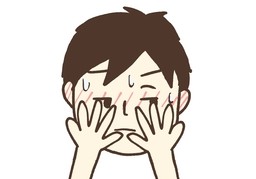
他第一次上台发言时显得很羞涩。tā dì yí cì shàng tái fā yán shí xiǎn de hěn xiū sè
He seemed very shy when he spoke on stage for the first time.
Attention makes a person hold back, with words, facial expression, or movement becoming slightly awkward.
脸上有点羞涩liǎn shàng yóu diǎn xiū sè
look a little shy
在公众场合显得羞涩zài gōng zhòng chǎng hé xiǎn de xiū sè
seem shy in public
与人交谈时显得羞涩yǔ rén jiāo tán shí xiǎn de xiū sè
seem shy when talking with others
不好意思bù hǎo yì si: Feeling a little embarrassed or sorry out of politeness or consideration.
害羞hài xiū: Being shy by nature and easily embarrassed around other people.
尴尬gān gà: Feeling awkward because a situation becomes uncomfortable and leaves no clear way to act.
因害羞或不好意思而显得腼腆,常在讲话或被关注时露出局促的表情或动作。yīn hài xiū huò bù hǎo yì si ér xiǎn de mián tiǎn cháng zài jiǎng huà huò bèi guān zhù shí lù chū jú cù de biǎo qíng huò dòng zuò
羞 (xiū, "shame") names the embarrassed feeling, while 涩 (sè, "astringent") contributes the idea of something that does not flow smoothly, forming a picture of awkwardly restrained behavior.