

HSK · Level 62
105 words
Search Chinese words by characters, pinyin or English meaning.
Dictionaries
Quick links
Browse
 MotiSpiOfficial conversation app

Chinese word
Pinyintuō shēn
我想脱身去参加朋友的聚会。wǒ xiǎng tuō shēn qù cān jiā péng yǒu de jù huì
I want to slip away and go to a friend's party.
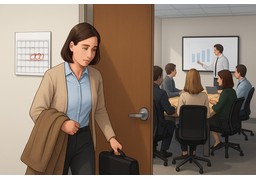
会议太长,她找机会脱身去上厕所。huì yì tài cháng tā zhǎo jī huì tuō shēn qù shàng cè suǒ
The meeting was too long, so she looked for a chance to slip away and go to the bathroom.
A person pulls free from a situation that has hold of them, often by slipping away before the involvement continues.
设法脱身shè fǎ tuō shēn
manage to get away
难以脱身nán yǐ tuō shēn
have difficulty getting away
脱身而出tuō shēn ér chū
break free
摆脱bǎi tuō: Free oneself from something troublesome or restrictive.
脱离tuō lí: Become separated from an existing relationship or situation and no longer be involved or affected.
逃脱táo tuō: Escape from danger or from a situation where someone is being pursued.
离开lí kāi: Go away from a place or person.
设法从纠缠、牵连或团体活动中抽身而去,不再参与原来的事务。shè fǎ cóng jiū chán qiān lián huò tuán tǐ huó dòng zhōng chōu shēn ér qù bú zài cān yù yuán lái de shì wù
脱 (tuō, "shed") + 身 (shēn, "self/body") presents escape as removing oneself from an entanglement.