

Chinese Conversation · Level 59
90 words
Search Chinese words by characters, pinyin or English meaning.
Dictionaries
Quick links
Browse
 MotiSpiOfficial conversation app

Chinese word
Pinyintuō jiù
他把肩膀脱臼了。tā bǎ jiān bǎng tuō jiù le
He dislocated his shoulder.
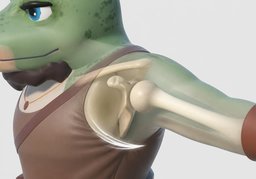
孩子跌倒后手肘脱臼了。hái zi diē dǎo hòu shóu zhǒu tuō jiù le
The child dislocated their elbow after falling.
The bone at a joint loses its fit in the receiving hollow, whether it is pushed out or slips out.
肩膀脱臼jiān bǎng tuō jiù
dislocate one's shoulder
手肘脱臼shóu zhǒu tuō jiù
dislocate one's elbow
脚踝脱臼jiǎo huái tuō jiù
dislocate one's ankle
脱位tuō wèi: Causes a bone or joint to move out of its usual position.
扭伤niǔ shāng: Injures a joint's ligaments or nearby muscles by twisting them.
拉伤lā shāng: Injures a muscle or tendon when it is stretched too far.
骨折gǔ zhé: Breaks or cracks a bone.
关节中的骨头从正常位置滑出或被挤出,导致关节形态和功能异常的损伤。guān jié zhōng de gǔ tou cóng zhèng cháng wèi zhì huá chū huò bèi jǐ chū dǎo zhì guān jié xíng tài hé gōng néng yì cháng de sǔn shāng
脱 (tuō, "come away") + 臼 (jiù, "mortar or hollow") combines movement away with the hollow that receives a joint bone.