

Chinese Conversation · Level 27
90 words
Search Chinese words by characters, pinyin or English meaning.
Dictionaries
Quick links
Browse
 MotiSpiOfficial conversation app

Chinese word
Pinyinniǔ shāng
他在球赛中扭伤了脚踝。tā zài qiú sài zhōng niǔ shāng le jiǎo huái
He sprained his ankle during the game.
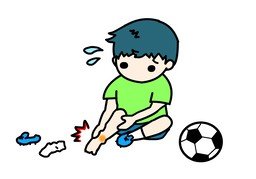
下雨路滑,小心别把脚扭伤了。xià yǔ lù huá xiǎo xīn bié bǎ jiáo niǔ shāng le
The road is slippery because it's raining, so be careful not to sprain your foot.
A joint is forced beyond its normal movement, injuring the soft tissue that supports it.
扭伤脚踝niǔ shāng jiǎo huái
sprain one's ankle
扭伤脚niǔ shāng jiǎo
sprain one's foot
扭伤手腕niǔ shāng shǒu wàn
sprain one's wrist
扭到niǔ dào: To twist a joint and leave it painful or swollen.
拉伤lā shāng: To hurt a muscle or tendon by pulling it beyond its normal stretch.
受伤shòu shāng: To receive an injury to the body.
摔伤shuāi shāng: To suffer an injury as a result of falling.
因外力或不当动作使关节旋转超出正常范围,造成韧带、腱或肌肉损伤的状态。yīn wài lì huò bú dàng dòng zuò shǐ guān jié xuán zhuǎn chāo chū zhèng cháng fàn wéi zào chéng rèn dài jiàn huò jī ròu sǔn shāng de zhuàng tài
扭 (niǔ, "twist") + 伤 (shāng, "injury") combines the action with its result, giving a word for injury caused by excessive twisting.