

Chinese Conversation · Level 32
90 words
Search Chinese words by characters, pinyin or English meaning.
Dictionaries
Quick links
Browse
 MotiSpiOfficial conversation app

Chinese word
Pinyinhú xū
他脸上的胡须很长。tā liǎn shàng de hú xū hěn cháng
His beard is very long.
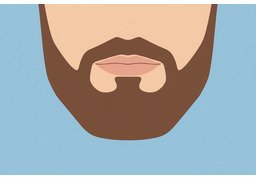
他决定留胡须,看起来更成熟。tā jué dìng liú hú xū kàn qǐ lái gèng chéng shú
He decided to grow a beard and looks more mature.
A band of facial hair framing the mouth and chin, from a small patch to a full growth.
留胡须liú hú xū
grow a beard
剃胡须tì hú xū
shave one's beard
修剪胡须xiū jiǎn hú xū
trim one's beard
胡子hú zi: The usual casual term for hair growing around the mouth and chin.
口须kǒu xū: A line of fine hair growing directly above the upper lip.
胡茬hú chá: The short, prickly hair that remains after shaving or starts to grow.
络腮胡luò sāi hú: Facial hair that joins the chin to the hair along the cheeks.
指长在上唇、下唇或下巴周围的毛发,可指细长的口须也可指覆盖下巴的胡毛。zhǐ zhǎng zài shàng chún xià chún huò xià bā zhōu wéi de máo fà kě zhǐ xì cháng de kǒu xū yě kě zhǐ fù gài xià bā de hú máo
胡 (hú, "beard") + 须 (xū, "whiskers") preserves an older two-part formation in which one element names beard hair and the other names whiskers.