

HSK · Level 11
135 words
Search Chinese words by characters, pinyin or English meaning.
Dictionaries
Quick links
Browse
 MotiSpiOfficial conversation app

Chinese word
Pinyinhú zi
他的胡子很长。tā de hú zi hěn cháng
His beard is very long.
刮胡子之后,他的脸看起来更年轻。guā hú zi zhī hòu tā de liǎn kàn qǐ lái gèng nián qīng
After shaving his beard, his face looks younger.
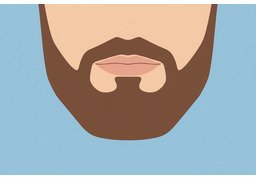
Hair growing across the upper lip, chin, and cheeks, treated as one broad kind of facial hair.
修剪胡子xiū jiǎn hú zi
trim one's beard
刮胡子guā hú zi
shave one's beard
留着胡子liú zhe hú zi
grow a beard
胡须hú xū: A formal or written term for facial hair growing on the upper lip, chin, or cheeks.
胡渣hú zhā: Short, rough facial hair that appears after going unshaven.
面部生长的通称,指口元、下巴及两颊等处的毛发,包含修剪或未修剪的各种须类。miàn bù shēng zhǎng de tōng chēng zhǐ kǒu yuán xià bā jí liǎng jiá děng chù de máo fà bāo hán xiū jiǎn huò wèi xiū jiǎn de gè zhǒng xū lèi
胡子 (húzi, "facial hair") is commonly explained as 胡 (hú, "Hu") + 子 (zi, "noun-forming suffix"), reflecting an old association between facial hair and people called Hu.