

Chinese Conversation · Level 8
90 words
Search Chinese words by characters, pinyin or English meaning.
Dictionaries
Quick links
Browse
 MotiSpiOfficial conversation app

Chinese word
Pinyinwèi
我胃不舒服。wǒ wèi bù shū fú
My stomach does not feel well.
最近工作压力大,他经常胃痛。zuì jìn gōng zuò yā lì dà tā jīng cháng wèi tòng
Recently, work has been stressful, and he often gets a stomachache.
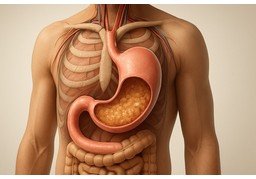
An internal pouch that receives food, softens it with digestive fluid, and sends it onward.
胃不舒服wèi bù shū fú
have an upset stomach
胃痛wèi tòng
have a stomachache
胃口不好wèi kǒu bù hǎo
have a poor appetite
肚子dǔ zi: The whole front part of the abdomen, commonly called the belly.
胃部wèi bù: The region where the stomach is located, with a relatively formal tone.
胃口wèi kǒu: A person's appetite or wish to eat.
胃是消化道中的一个器官,位于上腹部,呈囊状,能暂时储存食物并分泌消化液参与食物的初步消化。wèi shì xiāo huà dào zhōng de yí gè qì guān wèi yú shàng fù bù chéng náng zhuàng néng zàn shí chǔ cún shí wù bìng fēn mì xiāo huà yè cān yù shí wù de chū bù xiāo huà
The ancient form of 胃 (wèi, "stomach") was based on a drawing of a pouch-like organ, making the character's original image useful for remembering its meaning.