

HSK · Level 8
135 words
Search Chinese words by characters, pinyin or English meaning.
Dictionaries
Quick links
Browse
 MotiSpiOfficial conversation app

Chinese word
Pinyinwèi kǒu
我今天没有胃口。wǒ jīn tiān méi yǒu wèi kǒu
I don't have an appetite today.
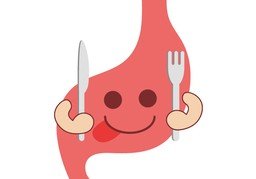
这道菜的香味刺激了他的胃口。zhè dào cài de xiāng wèi cì jī le tā de wèi kǒu
The aroma of this dish stimulated his appetite.
An inner pull toward eating that can extend to a liking for other things.
没有胃口méi yǒu wèi kǒu
have no appetite
胃口不好wèi kǒu bù hǎo
have a poor appetite
刺激胃口cì jī wèi kǒu
stimulate appetite
食欲shí yù: A person's wish to eat.
食量shí liàng: How much food a person can eat at once or as part of a usual meal.
指人体想吃东西的生理或心理欲望,有时也可借指对某事物的兴趣或偏好。zhǐ rén tǐ xiǎng chī dōng xī de shēng lǐ huò xīn lǐ yù wàng yǒu shí yě kě jiè zhǐ duì mǒu shì wù de xìng qù huò piān hào
胃口 (wèikǒu, "appetite") is formed from 胃 (wèi, "stomach") + 口 (kǒu, "mouth"), a concrete pairing that develops from the physical desire to eat to a broader sense of attraction or preference.