

Chinese Conversation · Level 5
89 words
Search Chinese words by characters, pinyin or English meaning.
Dictionaries
Quick links
Browse
 MotiSpiOfficial conversation app

Chinese word
Pinyinbù hǎo yì sī
不好意思,我迟到了。bù hǎo yì si wǒ chí dào le
Sorry, I was late.
不好意思,请问洗手间在哪里?bù hǎo yì si qǐng wèn xí shǒu jiān zài ná lǐ
Sorry, where is the restroom?
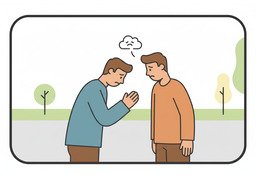
A gentle pause that keeps words kind when a speaker feels embarrassed, bothers someone a little, or wants to ask for something.
不好意思,我迟到了bù hǎo yì si wǒ chí dào le
Sorry I was late
不好意思,打扰一下bù hǎo yì si dá rǎo yí xià
sorry to disturb you
不好意思,让你久等了bù hǎo yì si ràng nǐ jiú děng le
sorry for making you wait
对不起duì bù qǐ: A direct apology for causing someone trouble or inconvenience.
请问qǐng wèn: A polite way to get someone's attention before asking a question.
用于表示因小失礼、打扰或害羞而感到不好意思,带有客气和回避意味,口语中极其常见。yòng yú biǎo shì yīn xiǎo shī lǐ dá rǎo huò hài xiū ér gǎn dào bù hǎo yì si dài yǒu kè qì hé huí bì yì wèi kóu yǔ zhōng jí qí cháng jiàn
不好意思 (bùhǎoyìsī, "not feel good about it") presents a speaker as unable to feel fully at ease about an action, so the phrase naturally became a polite way to soften a small fault or shy request.