

HSK · Level 94
45 words
Search Chinese words by characters, pinyin or English meaning.
Dictionaries
Quick links
Browse
 MotiSpiOfficial conversation app

Chinese word
Pinyinjì
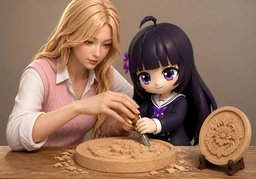
这门手艺由儿子继承下来。zhè mén shǒu yì yóu ér zi jì chéng xià lái
The son inherited this craft.
他作为独生子女,决定继承父亲的公司。tā zuò wéi dú shēng zí nǚ jué dìng jì chéng fù qīn de gōng sī
As the only child, he decided to inherit his father's company.
Carries an established thing from one stage to the next, preserving its use while allowing it to continue.
继承家业jì chéng jiā yè
inherit the family business
继承遗产jì chéng yí chǎn
inherit an estate
继承jì chéng: Take over property, legal rights, or a position according to law or tradition.
传承chuán chéng: Preserve and pass cultural knowledge, skills, or traditions from one generation to the next.
继续jì xù: Continue an action or state after it has begun, without interruption.
延续yán xù: Make an existing condition or period last continuously.
将前人传下来的技艺、习惯或职责接过来并传给后代,使其保持延续的动词。jiāng qián rén chuán xià lái de jì yì xí guàn huò zhí zé jiē guò lái bìng chuán gěi hòu dài shǐ qí bǎo chí yán xù de dòng cí
The silk-thread radical in 继 (jì, "inherit; continue") evokes a line that stays unbroken, matching the idea of passing something onward.