

Chinese Conversation · Level 79
91 words
Search Chinese words by characters, pinyin or English meaning.
Dictionaries
Quick links
Browse
 MotiSpiOfficial conversation app

Chinese word
Pinyinjì chéng
孩子继承了妈妈的笑容。hái zi jì chéng le mā mā de xiào róng
The child inherited their mother's smile.
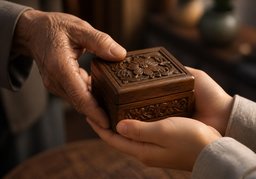
他继承了祖父的遗产。tā jì chéng le zǔ fù de yí chǎn
He inherited his grandfather's estate.
Carry forward what an earlier generation leaves behind, including its value, rights, and continuing role.
继承遗产jì chéng yí chǎn
inherit an estate
继承财产jì chéng cái chǎn
inherit property
继承传统jì chéng chuán tǒng
carry on a tradition
传承chuán chéng: Keep culture, skills, and customs alive by passing them on to later generations.
遗传yí chuán: Transmit inherited physical or personality features from parents to their children through genes.
承受chéng shòu: Bear a weight, responsibility, or loss that comes from outside.
接受jiē shòu: Receive and accept something offered by another person, such as an object or view.
接受并承担前人留给自己的财产、权利或精神财富,使其继续存在。jiē shòu bìng chéng dān qián rén liú gěi zì jǐ de cái chǎn quán lì huò jīng shén cái fù shǐ qí jì xù cún zài
继 (jì, "continue") + 承 (chéng, "receive and take on") joins continuation with acceptance of what an earlier generation passes down.